

The best time to visit Cambodia is from November to February when the weather is dry, temperatures range from 21°C to 30°C (70°F to 86°F), and humidity is low. This period offers comfortable conditions for outdoor activities like visiting Angkor Wat and other temples. However, expect higher prices and more tourists during these months.
VisitCambodia.co recommends
Independently compared options — pick whichever suits your visit.
Dry weather, temple visits, outdoor sightseeing
Cooler temperatures and minimal rainfall make travel and outdoor activities more comfortable
Higher accommodation prices and increased tourist crowds, especially in Siem Reap and Phnom Penh
March to May for fewer tourists and lower prices, but prepare for hot temperatures often exceeding 35°C (95°F) and occasional showers
What is the best time to visit Cambodia for dry weather?
The ideal period for dry weather in Cambodia is from November to February, when rainfall is scarce, humidity drops, and temperatures range between 21°C and 30°C (70°F to 86°F). These months provide the most comfortable conditions for outdoor activities such as temple visits and sightseeing.
During this dry season, the air feels cooler and fresher, with mornings often marked by clear blue skies and gentle breezes. In Siem Reap, located about 320 kilometers northwest of Phnom Penh, the mornings bring crisp air great for walking around the Angkor Archaeological Park. Afternoon temperatures rise but remain bearable. Hotels in Phnom Penh’s BKK1 neighborhood typically charge between 160,000 and 280,000 KHR ($40 to $70) per night for mid-range rooms during these months. Expect higher demand and prices, so booking accommodations and Angkor temple passes well in advance is advisable.
Tuk-tuk drivers frequently operate around 7:00 AM to 6:00 PM, charging between 60,000 to 100,000 KHR ($15 to $25) for half-day temple tours. This season’s low humidity helps prevent fatigue during long days outdoors.

How does the rainy season affect travel in Cambodia?
Cambodia’s rainy season runs from June to October, characterized by heavy afternoon downpours and high humidity, which may slow travel and limit outdoor plans. Rainfall peaks in September with averages near 400 millimeters, often saturating rural roads and increasing travel times by 30 to 50 percent in provinces such as Mondulkiri and Ratanakiri.
Mornings frequently start dry and humid, but skies darken in the afternoon with intense showers accompanied by thunder. The scent of wet earth and lush greenery becomes more pronounced. In cities like Kampot and Kep, hotel prices drop by 20-30 percent compared to peak season, providing more affordable stays. Many guesthouses in Kampot’s Kampot Riverfront area offer rooms under 150,000 KHR ($37).
Public green buses run between Siem Reap town center and Angkor Park for approximately 8,000 to 12,000 KHR ($2 to $3). However, during heavy rains, schedules may be irregular, and unpaved roads leading to some temples could become muddy or impassable.
Travelers should allow extra time for transfers and consider flexible itineraries during this season.
Cambodia on the map
Hotels and dining around Cambodia, with live ratings.
Is it worth visiting Cambodia during the hot season?
The hot season from March to May brings daytime temperatures soaring between 35°C and 40°C (95°F to 104°F), with humidity around 75 percent, making outdoor activities more challenging but still feasible with timing precautions. Early mornings and late afternoons provide cooler periods with softer light for sightseeing.
In Phnom Penh’s Toul Tom Poung district, the heat is noticeable by 10:00 AM, with streets shimmering under the sun and vendors offering fresh sugarcane juice and iced coffee to help beat the heat. Beach locations such as Koh Rong and Koh Rong Sanloem benefit from sea breezes and average water temperatures of 28°C (82°F).
Ferries from Sihanoukville to these islands run regularly, costing roughly 60,000 KHR ($15) one-way, with a 45-minute crossing. Travelers should carry small US dollar bills in good condition, as ferry operators often reject torn or worn notes.
Despite the heat, the season sees fewer tourists, providing quieter conditions at popular sites.
Which months are best for visiting Cambodia’s coastal regions?
November through April is the recommended time to visit Cambodia’s coastal areas, including Sihanoukville, Kep, and Koh Kong, when seas are calm, skies mostly clear, and temperatures comfortable. During this time, sea temperatures hover around 28°C (82°F), suitable for swimming, snorkeling, and diving.
In Kep town, located on the southern coast, seafood markets along the shore offer fresh crab and grilled squid, their salty aroma mingling with ocean breezes. Beachside guesthouses in the Kep National Park vicinity charge between 150,000 and 250,000 KHR ($37 to $62) per night in peak months.
Regular ferry services run from Sihanoukville to islands like Koh Rong and Koh Rong Sanloem, departing from the Serendipity Beach area. Tickets cost about 60,000 KHR ($15). Vendors require payment in good-condition US dollar bills, as local currency is often not accepted.
Rainfall is infrequent in these months, reducing disruptions to beach activities and boat trips.
When is the best time to visit Angkor Wat and Siem Reap?
The period between November and February provides the most comfortable climate for visiting Angkor Wat and Siem Reap, with cooler temperatures averaging 28°C (82°F) and reduced humidity. This season allows for extended time outdoors without excessive heat or rain interruptions.
Angkor Archaeological Park opens daily from 5:00 AM to 6:00 PM. Standard one-day passes cost 150,000 KHR ($37), while three-day passes are 250,000 KHR ($62), allowing visitors to spread out temple visits and avoid fatigue. Tuk-tuk drivers typically charge 60,000 to 100,000 KHR ($15 to $25) for half-day tours around the temple complex.
The Pub Street area in Siem Reap becomes lively in the evenings, with the aroma of grilled meats and spices filling the air. Booking tuk-tuk tours beforehand helps avoid last-minute price hikes in peak months.
Visitors planning multiple temple visits should consider the seven-day pass at 400,000 KHR ($100) to see less-visited temples at a relaxed pace.
How does the climate affect wildlife viewing in Cambodia?
Wildlife sightings in Cambodia are most reliable during the dry season from December to March when lower water levels in rivers and lakes improve visibility for species such as the Irrawaddy dolphin near Kratie. Drier trails also make forest areas more accessible.
In Kratie, boat tours on the Mekong River depart early morning to spot the rare freshwater dolphins. Local guides charge about 200,000 KHR ($50) per group for 2-3 hour trips. The scent of wet mud and fresh river water mixes with the distant calls of birds and insects.
Trips to Mondulkiri during this time give better chances to see elephants and endemic birds, as forest paths remain dry and navigable.
Heavy rains from June to October can flood some wildlife habitats, limiting access and reducing viewing opportunities.
Are there any festivals or events that influence the best time to visit Cambodia?
Significant festivals such as the Water Festival in November and Khmer New Year in April affect travel patterns by attracting large crowds and increasing accommodation prices. The Water Festival, held on the banks of the Tonle Sap River in Phnom Penh, draws over a million attendees. During this period, hotel rates in Phnom Penh can more than double, with mid-range rooms often exceeding 400,000 KHR ($100) per night.
Khmer New Year celebrations, usually from April 13 to 15, see widespread local festivities involving games, traditional dances, and food stalls. Tourist areas become busier, and transport services may be limited due to holiday closures.
For detailed festival schedules and safety tips, refer to our guides on the Water Festival and Khmer New Year.
How do travelers typically get around Cambodia?
Tuk-tuks remain the most common and practical mode of transport for short trips within cities and tourist areas, with prices usually ranging from 10,000 to 100,000 KHR ($2.50 to $25) depending on distance and duration. In Phnom Penh, motorcycle taxis and metered taxis also operate, though tuk-tuks are preferred for flexibility.
Long-distance travel between major cities commonly uses buses or flights. Buses from Phnom Penh to Siem Reap take about 6 to 7 hours, with fares between 100,000 to 150,000 KHR ($25 to $37). Domestic flights last approximately 45 minutes but cost significantly more, around $50-$70 one-way.
In Siem Reap, bicycles and motorbikes can be rented for around 10,000 to 15,000 KHR ($2.50 to $3.75) per day. Green public buses connect Siem Reap town center to Angkor Park for 8,000 to 12,000 KHR ($2 to $3), but schedules may vary seasonally.
“The dry season from November to February is the best time for temple visits because the weather is cooler and the skies are clearer, making walks more pleasant. However, if you don’t mind some rain, the wet season transforms the countryside into lush green fields, which is a different kind of beauty.”
What should visitors know about safety and scams in Cambodia?
While Cambodia is generally safe for travelers, petty scams and overcharging can occur, particularly in tourist areas. Being aware and cautious helps avoid common pitfalls. Tuk-tuk drivers may quote inflated fares or pressure visitors into extended tours. Always agree on a price before getting in and consider asking your hotel or guesthouse staff for recommended drivers.
Pickpocketing can happen in crowded markets such as Phnom Penh’s Central Market and Siem Reap’s Phsar Nat, so keep valuables secure and avoid carrying large sums of cash.
ATMs are widely available in major cities but check for fees before withdrawing. Most vendors and taxis prefer US dollars; carry small denominations to facilitate transactions.
Staying alert and informed about local customs improves safety and ensures smoother travel.
What are the local customs and etiquette travelers should observe?
Respect for Buddhist traditions is important in Cambodia, especially when visiting temples and religious sites. Dress codes require shoulders and knees to be covered; lightweight cotton or linen clothing is recommended for comfort in the heat.
When entering pagodas, remove shoes and hats, and speak softly. Avoid pointing feet toward Buddha statues or monks, and refrain from physical contact with monks unless initiated by them.
Greeting locals with a slight bow and palms pressed together at chest height (known as the sampeah) is customary and appreciated. Tipping is not compulsory but small amounts (around 5,000 to 10,000 KHR) are welcomed by guides and drivers.
Polite behavior and cultural awareness enhance interactions with locals.
# Frequently Asked Questions
### What is the best time to see the sunrise at Angkor Wat?
Sunrise viewing at Angkor Wat is best between 5:00 AM and 6:30 AM, especially from November to February when weather is clear. Arrive early to secure a good spot near the western reflecting pool.
### Can I use Cambodian riel or US dollars for everyday purchases?
US dollars are widely accepted throughout Cambodia, particularly in tourist areas. Small transactions may be paid in riel, but larger purchases and hotel bills are usually in US dollars. Carry small, unmarked bills to avoid issues.
### Are there any health precautions to consider when traveling in Cambodia?
Travelers should take basic health precautions such as drinking bottled water, avoiding raw street food, and using mosquito repellent to prevent dengue fever and malaria in certain regions. Vaccinations for hepatitis A and typhoid are recommended.
### Is it necessary to tip tuk-tuk drivers and guides?
Tipping is voluntary but appreciated. For tuk-tuk rides, rounding up the fare or giving an extra 5,000 to 10,000 KHR ($1 to $2.50) is common. Guides often expect tips after tours, typically around 10% of the tour cost.
### What is the best way to buy Angkor temple tickets?
Purchase Angkor Passes online via the Apsara Authority website before your visit to avoid lines and ensure entry. Passes are available for 1, 3, or 7 consecutive days, with prices set by the government.
---
For more detailed travel planning, see our guides on Angkor temple passes, tuk-tuk tours, and Water Festival. For climate data, visit the Climate-Data.org Cambodia page and detailed wildlife info at Irrawaddy Dolphin Conservation.
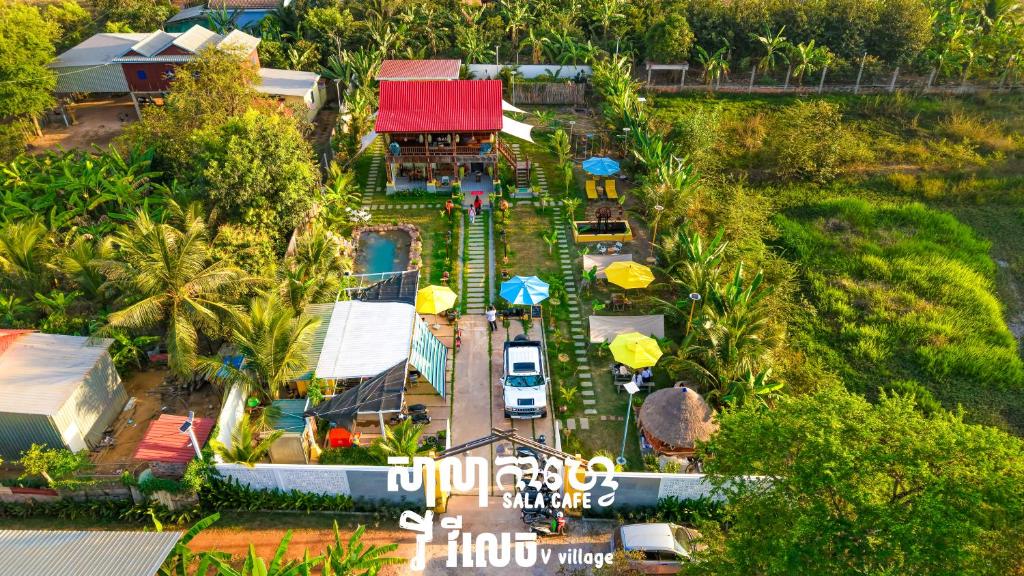
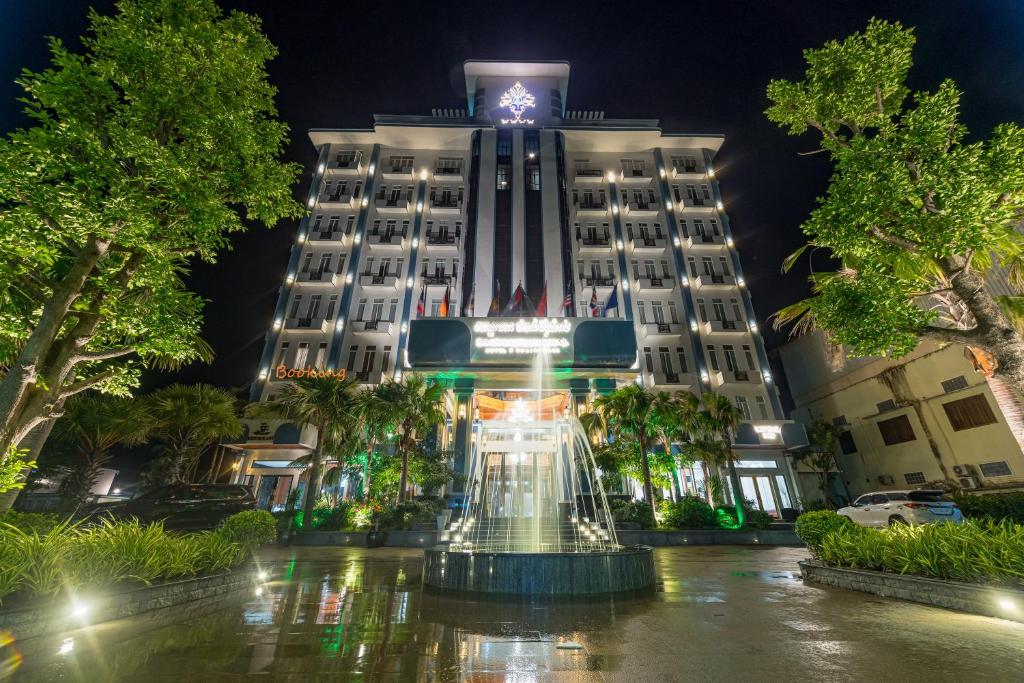
Where to stay in and around Cambodia
Live rates from Booking.com, Agoda, Hotels.com and more — nearby stays hand-picked by review score.


Prices and availability shown on partner sites at time of click. We may earn a commission.
What useful resources are available for visiting Cambodia?
Cambodia Weather and Climate Guide - World Weather Online
Detailed monthly weather data and climate information for planning your trip.
worldweatheronline.comAngkor Wat - UNESCO World Heritage Centre
UNESCO page with historical background and conservation status of Angkor Wat.
whc.unesco.orgOfficial government site providing travel information, visa details, and event updates.
Cambodia Tourism Official Website


